Medieval Costumes
Planning Medieval Costumes
Crescent Costume Studio approaches medieval costumes as a practical catalog wardrobe project rather than a quick costume purchase. For medieval costumes, the strongest look photographs clearly, feels comfortable, stays secure during movement and matches the tone of the event. When visitors compare medieval costumes, the useful fundamentals are fit, fabric weight, silhouette, accessory scale and return condition.
The first step for medieval costumes is deciding what the costume must do during the real event. Someone choosing medieval costumes for a walking route needs different support than someone preparing a mostly seated or camera-facing appearance. A formal version of medieval costumes may need careful steaming and stronger accessories, while a playful version can use lighter pieces, brighter contrast and fewer fragile details. Thinking through medieval costumes in context keeps the final result polished without making it difficult to wear.
Fit, comfort and movement
Fit for medieval costumes is more than a measurement chart. Sleeves on medieval costumes should allow natural reach, hems should clear the floor or footwear, and closures should sit flat without pulling. If medieval costumes includes armor, masks, hats, capes or structured skirts, test how those pieces behave while sitting, turning, dancing or carrying props. For outdoor use of medieval costumes, breathable layers and secure fasteners matter more than delicate trim that only looks good on a hanger.
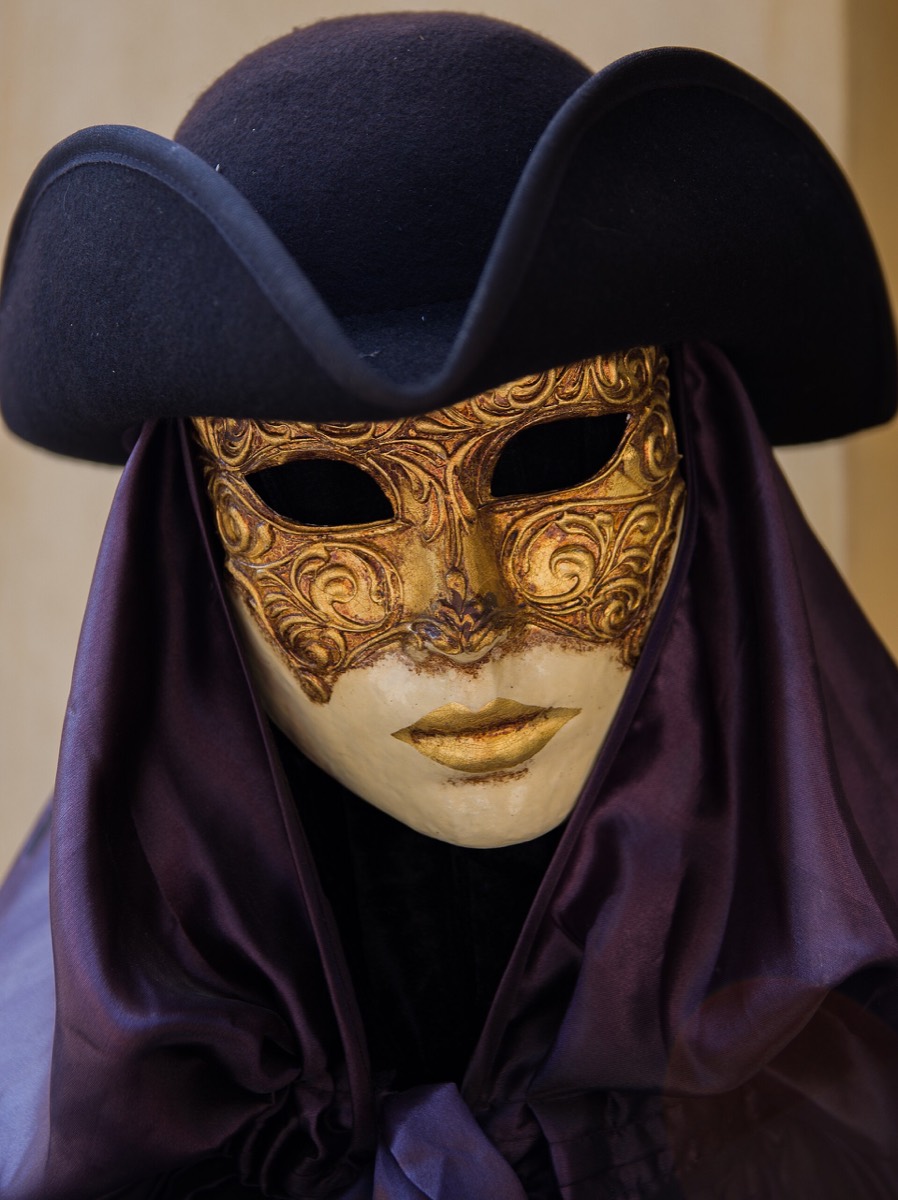
Accessories for medieval costumes should support the story. One memorable hat, belt, collar or mask connected to medieval costumes often reads better than several competing elements. Color for medieval costumes should also be intentional: carnival palettes, muted period fabrics or metallic court trim each create a different message. The goal is to make medieval costumes clear without overwhelming the person wearing it.
Useful checklist
- Confirm measurements, event date and pickup window for medieval costumes before final selection.
- Try the full medieval costumes look with shoes, underlayers and accessories.
- Check closures, hems, zippers, buttons and elastic on medieval costumes before leaving the studio.
- Transport medieval costumes garments on hangers or in breathable bags whenever possible.
- Return medieval costumes accessories together so sets remain complete for the next client.
| Wardrobe need | Recommended choice | Reason |
|---|---|---|
| One-night event | Rental costume | Efficient, themed and budget-conscious |
| Group theme | Coordinated palette | Keeps different pieces visually connected |
| Camera work | Continuity notes | Protects consistency between scenes or shots |
How to prepare
Bring reference ideas for medieval costumes, but stay open to practical adjustments. A medieval costumes concept that looks perfect in a still image may need lighter fabric, a safer hem or a simpler accessory for real use. If several people are being styled around medieval costumes, decide which elements must match and which can vary. This helps the medieval costumes group look intentional while still allowing each wearer to move comfortably.
After using medieval costumes, air out damp garments, keep small pieces in labeled bags and note any repair needs. Clear communication around medieval costumes prevents small issues from becoming larger ones and keeps the wardrobe ready for future events. For more guidance related to medieval costumes, continue to costume studio overview costume rental planning Mardi Gras costume ideas. These medieval costumes resources connect service details, catalog inspiration and planning advice without overloading the page with repetitive links.