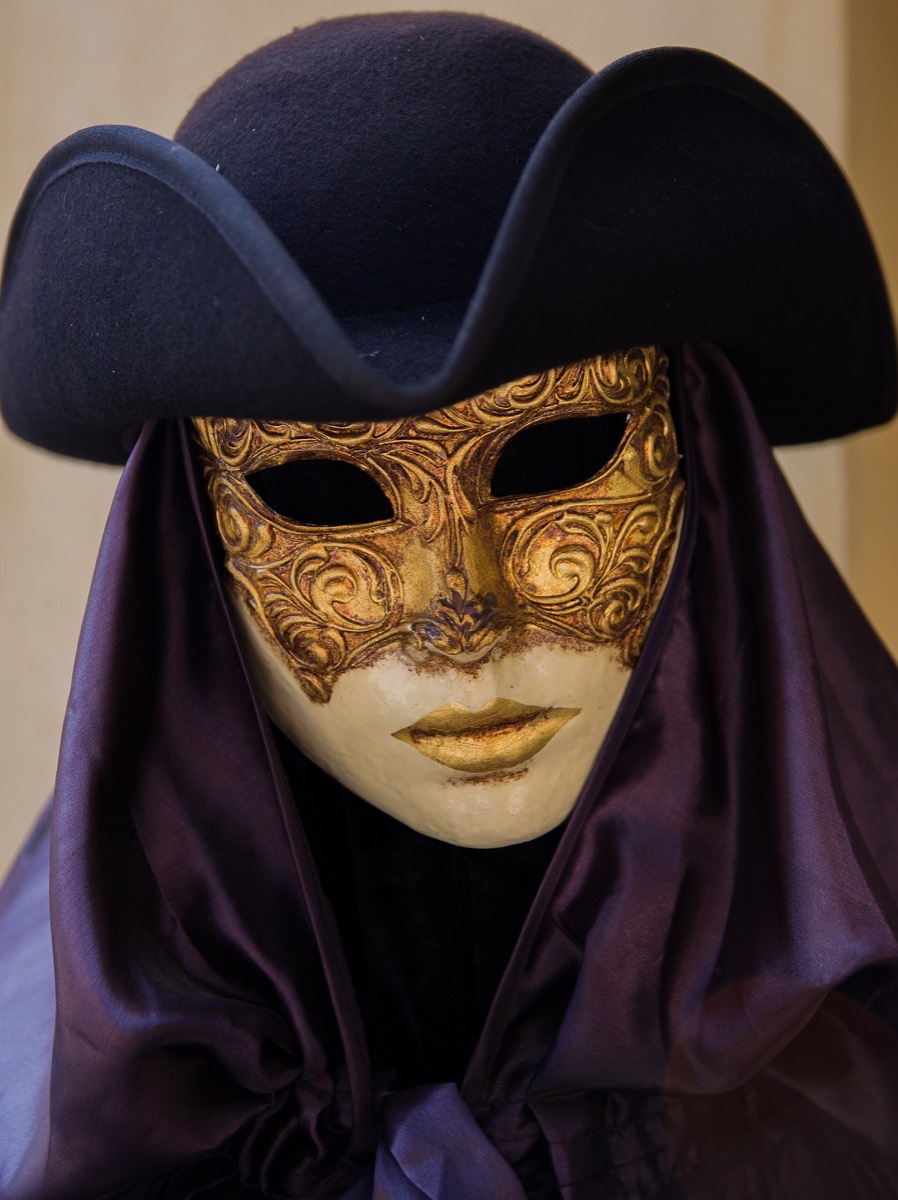
Walking into a New Orleans costume rental studio for the first time can feel like stepping into a private parade: racks of color, feathers that seem to float, and masks with real character. If you’re new to costume rentals or Mardi Gras costume planning, the best news is that you don’t need insider knowledge to leave with a look that fits, moves well, and photographs beautifully. Crescent Costume Studio is typically part costume catalog, part workshop, and part coaching session—helping you choose creative wardrobe pieces that match your event, your comfort level, and your timeline.
This guide breaks down your first visit to Crescent Costume Studio in plain language, with practical costume rental planning examples. You’ll learn what to bring, how costume fittings usually work, and how to decide between New Orleans costume rental options, Mardi Gras/carnival wardrobe building, or custom costume design and production wardrobe styling services.

What a Costume Studio Can Do for You
Most people start with one clear need: “I have an event and I need a costume.” A New Orleans costume rental studio can meet that need in a few different ways, and understanding the options makes your first appointment much easier. Costume rentals are the fastest route to a full look, especially when you want something bold without buying pieces you’ll only wear once. Rentals often include costume accessories and signature items like jackets, gowns, capes, corsets, masks, hats, gloves, and themed add-ons pulled directly from the studio’s costume catalog.
Then there’s Mardi Gras and carnival wardrobe, where the goal is a flexible creative wardrobe you can rewear across parades, parties, and themed gatherings. Think of it as a “mix-and-match closet” approach: one standout coat that works with different shirts, boots that can handle walking, and costume accessories that shift the vibe from elegant to outrageous in minutes. Mardi Gras costumes and carnival costumes also benefit from planning around color stories, comfort, and durability because New Orleans celebrations are active, crowded, and long.
Finally, studios that offer custom costume design and wardrobe styling services can take you from “I have a vague idea” to a finished, camera-ready result. Custom work might mean tailoring a rental to sit correctly on your shoulders, creating a headpiece that balances your height and hairstyle, or building a one-of-one garment for a special krewe event. Production wardrobe styling goes further, coordinating multiple looks for a cast, brand activation, photo shoot wardrobe, or stage performance where continuity and quick changes matter. Custom builds and production pulls usually require more costume rental planning, but they’re the best choice when fit, movement, and visual impact need to be exact.
Rentals vs. Custom: A Beginner’s Decision Guide
If you’re unsure where to start, use this simple thought process for New Orleans costume rental planning. Choose costume rentals when your priority is speed, variety, and a predictable budget. For example, if you’re attending a themed party next weekend and you want a dramatic 1920s look, Crescent Costume Studio can pull options from the costume catalog and outfit you with clothing, costume accessories, and a headpiece in one appointment. You’ll likely try on a few silhouettes, pick what feels best, and leave with a complete rental set.
Choose custom costume design when your priority is a specific vision or a hard-to-fit detail. For instance, if you want a bodice that supports comfortably for hours, or you need a precise color match to a krewe theme, custom work can solve problems rentals can’t. It’s also ideal when you need your costume to do something particular—like allow high steps for dancing, sit correctly while riding, or stay secure through humidity and movement. Fit and function are the real reasons people go custom, even more than uniqueness.
There’s also a middle path that many beginners love: start with a rental base and add one custom element. A simple example is renting a coat and trousers, then commissioning a custom hat band, cape clasp, or embellished collar that becomes your signature while still working with the studio’s costume rentals. This approach keeps custom costume design approachable while giving you a personal detail that photographs well.
How Fittings Work, What to Bring, and What to Wear
A costume fitting isn’t a test—you’re not supposed to know what you’re doing. The costume studio’s job is to guide you with costume fitting advice, and your job is to show up with a little context. Bring the event details (date, location, theme, and start time), plus a couple of reference images if you have them. If you don’t, describing the mood helps: “royal,” “mysterious,” “comedic,” “glam,” or “creature-like” can be enough for the stylist to start pulling options from the costume catalog.
Wear basics that make trying on costume rentals easy. A fitted tank or T-shirt and shorts or leggings are practical, and neutral undergarments prevent distractions when you’re checking lines and proportions during a costume fitting. If you plan to wear heels, bring them; if you’ll be walking all night, bring the shoes you’ll actually use. Shoes change posture, hem lengths, and how confident you feel in Mardi Gras costumes and carnival costumes. Bring the right shoes and the fitting becomes more accurate immediately.
Expect the studio to check a few key points during the costume fitting: shoulder width, waist placement, torso length, and how the rental behaves when you sit, raise your arms, and walk. Beginners sometimes focus only on how something looks in the mirror, but wardrobe styling services also focus on movement and comfort. If a sleeve catches when you lift your arm, or a Venetian carnival mask shifts when you talk, it’s better to find out in the fitting than in the middle of a crowded party.
Don’t be surprised if the stylist asks questions that feel oddly specific, like whether you’ll be outdoors, whether you tend to get warm, or whether you’ll be carrying a bag. Those details shape fabric choices, layering, and costume accessories selection for Mardi Gras costumes and carnival costumes. New Orleans weather can shift quickly, and costume fitting advice often prioritizes pieces that breathe, stay secure, and still look great in photos.
Planning for Mardi Gras and Carnival Without Stress
Mardi Gras season rewards early costume rental planning, but “early” doesn’t have to mean complicated. Start by choosing a base identity for your look: a color pair, a character type, or a single hero piece from the costume catalog. A hero piece might be a sparkling jacket, a feathered headpiece, or a structured cape. Once that anchor is set, everything else becomes easier because you’re styling your creative wardrobe around one clear decision.
Next, think in layers for Mardi Gras costumes and carnival costumes. You might begin the night indoors and end it outside, or you might be moving between crowded rooms and open streets. Layering lets you adjust without losing the look. A simple, beginner-friendly example is a fitted top under a statement coat, with gloves or cuffs that can come off if you get warm while still leaving you “in costume.” Layering is comfort, and comfort is what keeps you wearing the costume instead of carrying it.
Finally, plan for practicalities that don’t show in photos: how you’ll store your phone, whether your mask allows you to drink water easily, and whether your headpiece is stable on your hairstyle. A costume studio can suggest discreet pockets, secure pinning methods, and lightweight costume accessories that keep the silhouette while reducing fatigue. If you’re new to a Venetian carnival mask or larger headpieces, ask for a quick lesson as part of your costume fitting advice on putting it on and taking it off without snagging hair or makeup.
Aftercare, Returns, and Getting the Most From Your Look
Once you’ve chosen your costume rentals, treat them like performance pieces. Transport items carefully, keep food and makeup away from delicate trims, and avoid improvising with tape or harsh adhesives unless the studio has recommended a specific product. If something feels loose at home, don’t assume it’s “fine”—a quick check-in for costume fitting advice can prevent a wardrobe malfunction later. Small fixes prevent big problems, especially with masks, closures, and embellished costume accessories.
If you’re renting from a New Orleans costume rental studio, clarify return timing before you leave and build in a buffer. New Orleans traffic, post-event fatigue, and weather can make last-minute returns stressful. Ask for a costume return checklist, how the studio prefers items to be packed, and whether there are special instructions for feathers, sequins, structured hats, or a Venetian carnival mask.
To get long-term value from your costume studio experience, take notes after your event for your next round of costume rental planning. What felt great? What irritated your skin? Did your shoes last? Did you wish you had pockets? Those answers make your next fitting faster and more fun, and they help the stylist refine your creative wardrobe choices. Many people also check a costume studio blog for seasonal guidance and new pulls that match upcoming Mardi Gras costumes and carnival costumes themes.
A New Orleans costume studio isn’t just a place to pick up something flashy—it’s a place to learn how to wear a look with confidence. Whether you rent a complete ensemble from Crescent Costume Studio, build a Mardi Gras-ready creative wardrobe, coordinate a group costume coordination plan, or commission custom costume design for production wardrobe or photo shoot wardrobe needs, the goal is the same: a costume that fits your body, your plans, and the way you want to feel when the music starts.